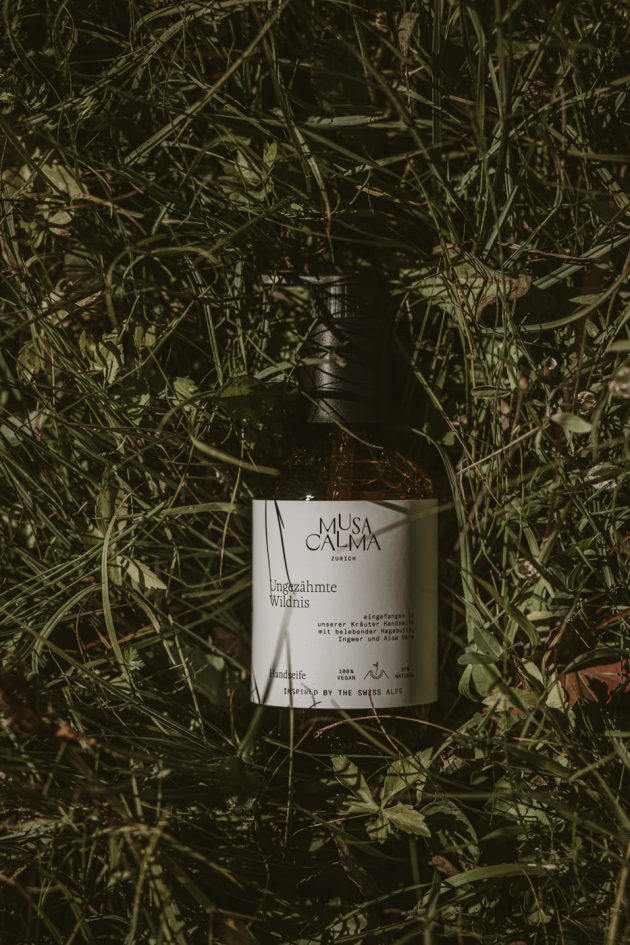
 Hand Wash
UNTAMED WILDERNESS
CHF 34.90
Incl. tax
plus shipping
Add



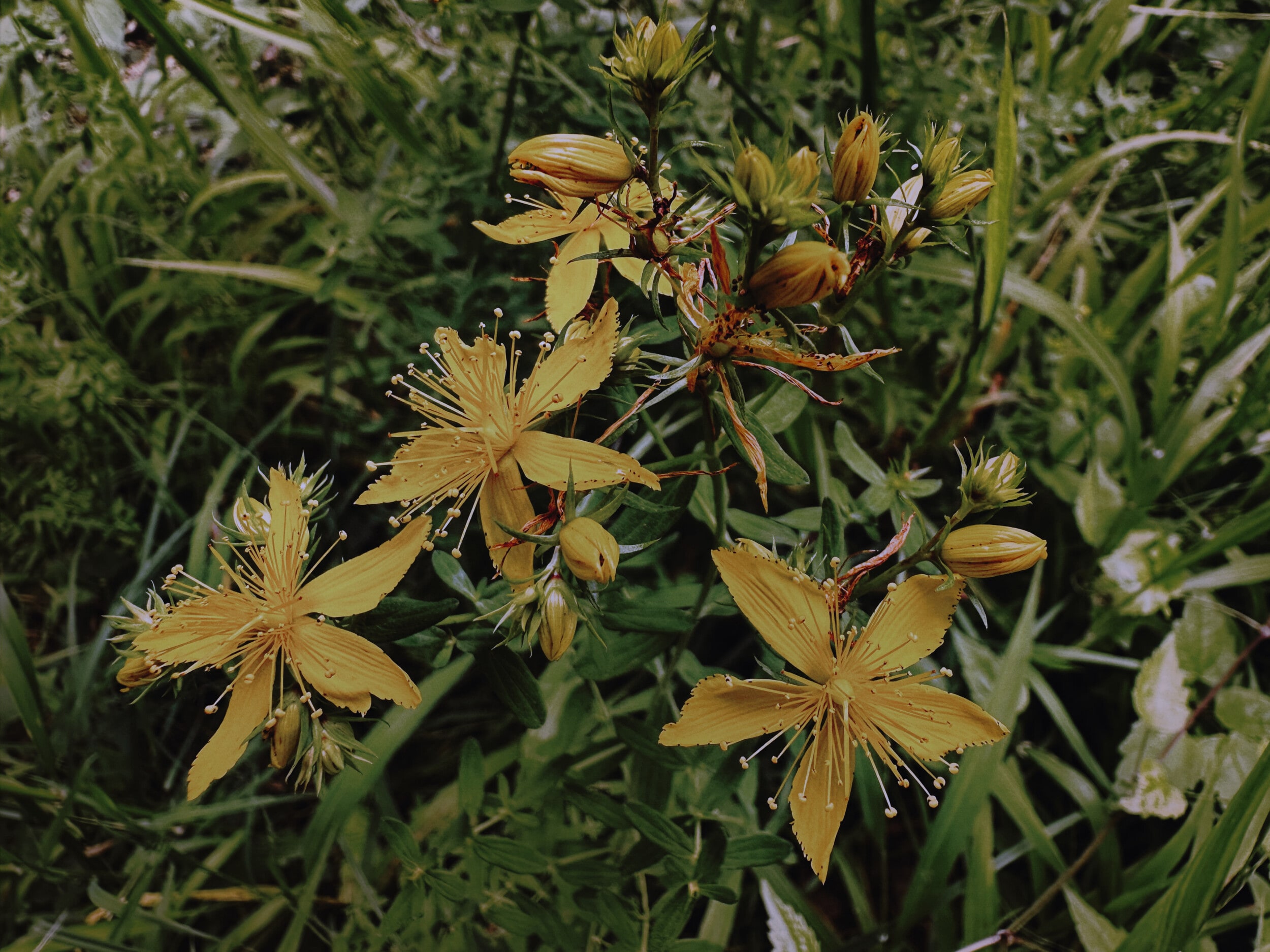
| English | St. John’s wort |
| Latin | Hypericum perforatum |
| Family | St. John’s wort family (Hypericaceae) |
| Ingredients | Hyperforin, hypericin, flavonoids, tannins, xanthones, essential oil |
Characteristics
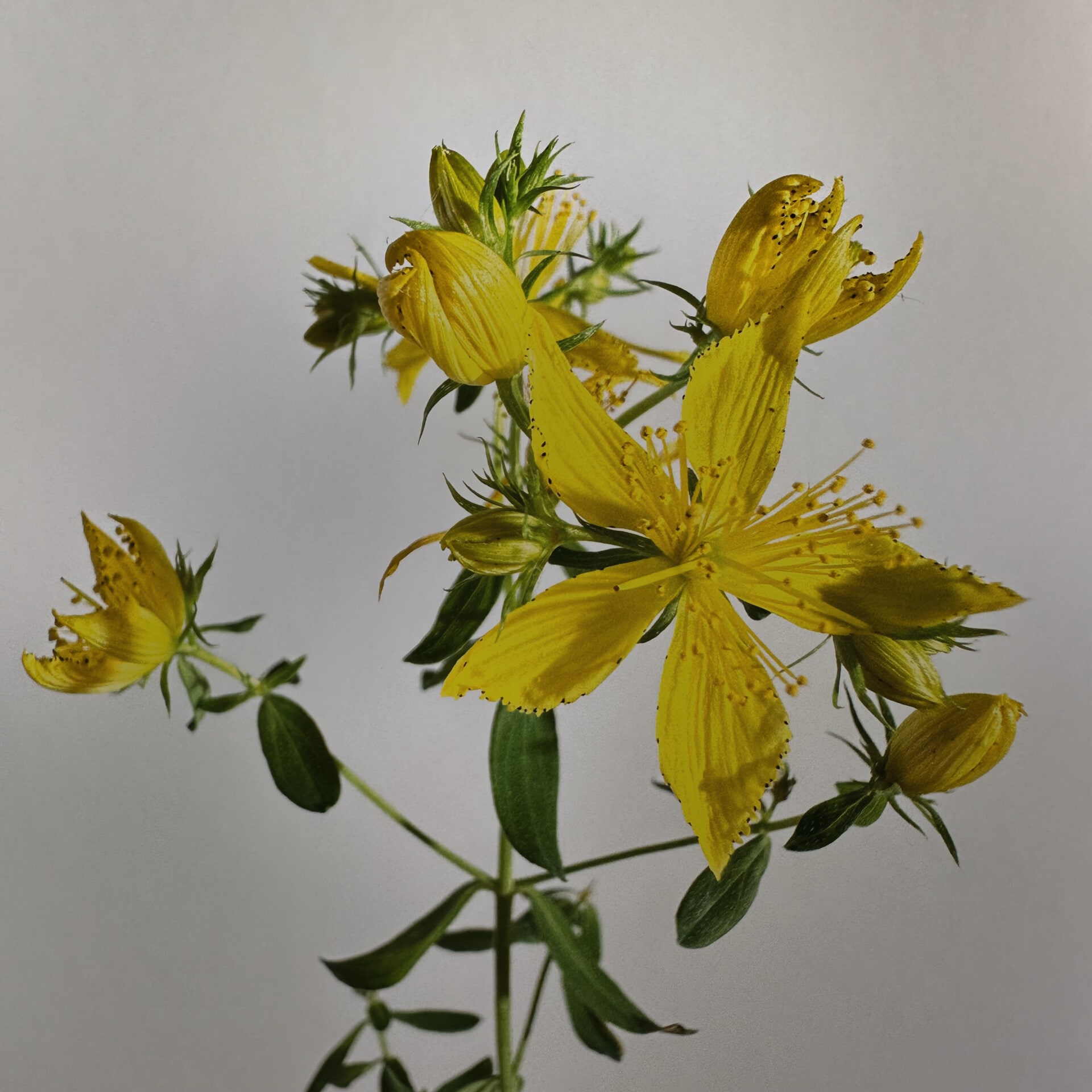
The perennial St. John’s wort can be found on almost all continents. It grows up to 70 cm high and has a hard stem with two palpable longitudinal edges. If the oval-shaped leaves are held up to the light, dark dots appear on the leaf edge and translucent dots spread across the leaf. The five-petaled yellow flowers, which are covered with black-red glands on the edge, bloom from June to September. When the flowers and leaves are rubbed, a red juice containing the active ingredient hypericin is released, which stains the fingers red.
History and interesting facts
Paracelsus praised St. John’s wort with the following words: “Its virtue cannot be described at all, how great it actually is and can be made…It is not possible that a better medicine for wounds can be found in all countries.” In his writings (1493-1541) he also wrote that only in St. John’s wort can the power and strength against melancholy be found.
Hildegard von Bingen called it “the arnica of the nerves”. According to Sebastian Kneipp, a red oil extract is made to help with swelling, lumbago, gout and sprains. As a native wild plant, it provides a habitat and food for a variety of insects such as butterflies, bees, bumblebees and hoverflies. The pioneer plant also loosens the soil and its roots help to aerate the soil.
Note
A pure St. John’s wort oil extract can very rarely lead to a slightly increased photosensitivity of the skin when applied externally. Therefore, direct sunlight and tanning beds should be avoided after use. Scientific studies have only shown skin reactions with high-dose preparations taken internally. The rule therefore always applies to many medicinal plants: the dose makes the poison.
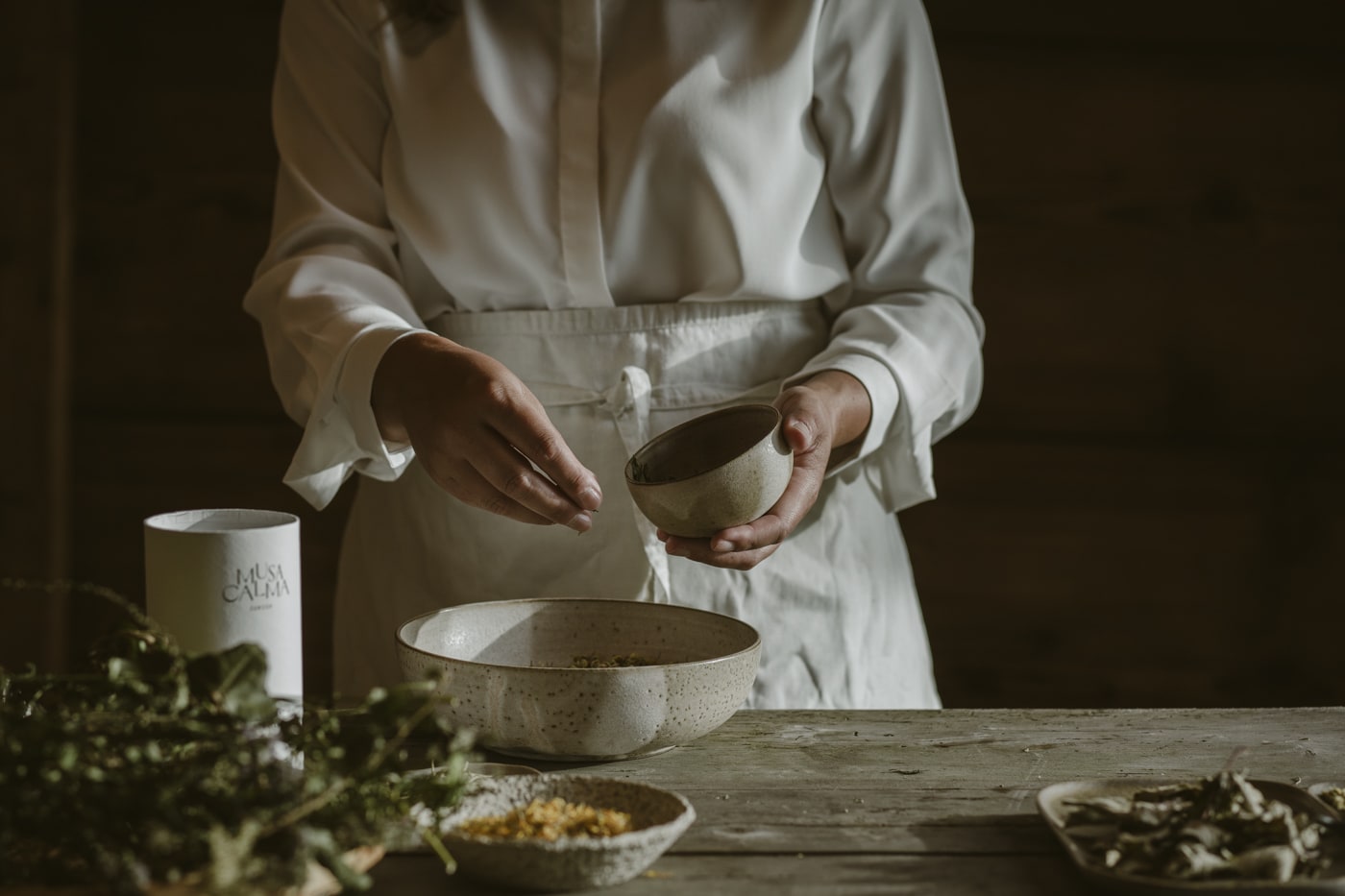
We use St. John’s wort in our skin care products to nourish and cleanse the skin due to its antibacterial effect. It has anti-inflammatory and soothing properties for the skin.
 Events
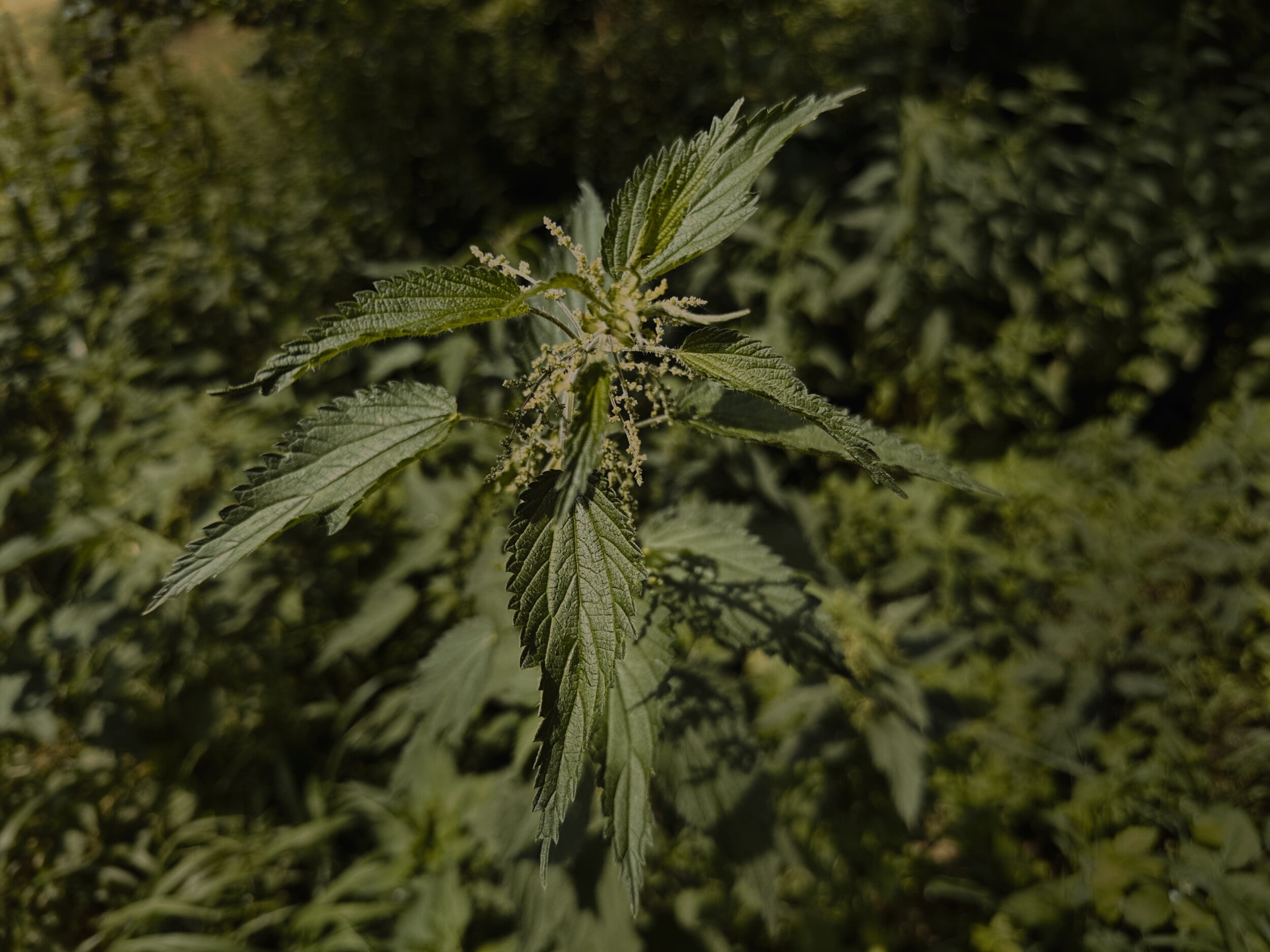 Wild herbs
Wild herbs
Wild herbs